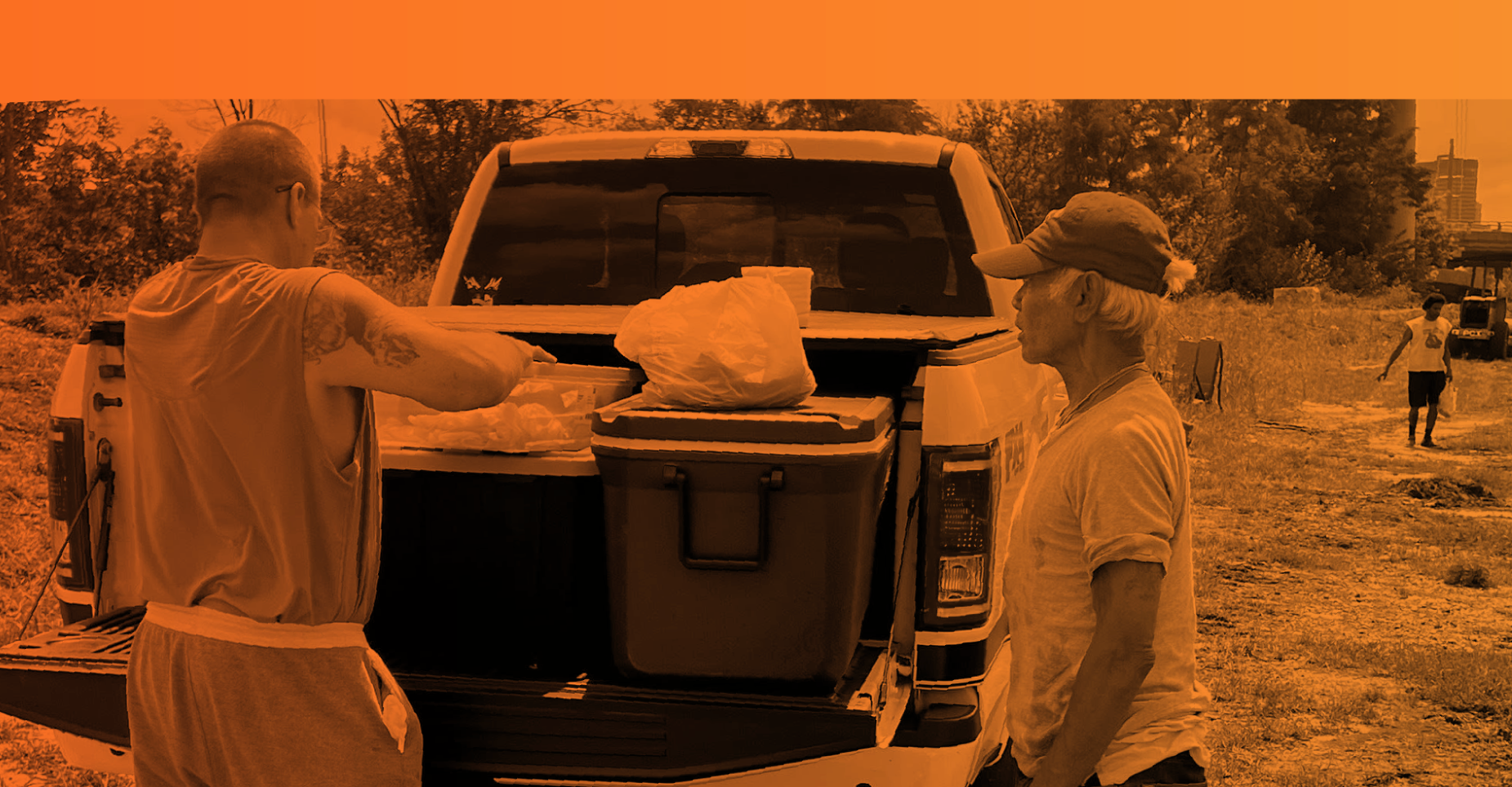
Community Outreach
Our Cause
Located in Des Moines, Iowa, Beeline Collective is a nonprofit organization committed to addressing food insecurity within our community.
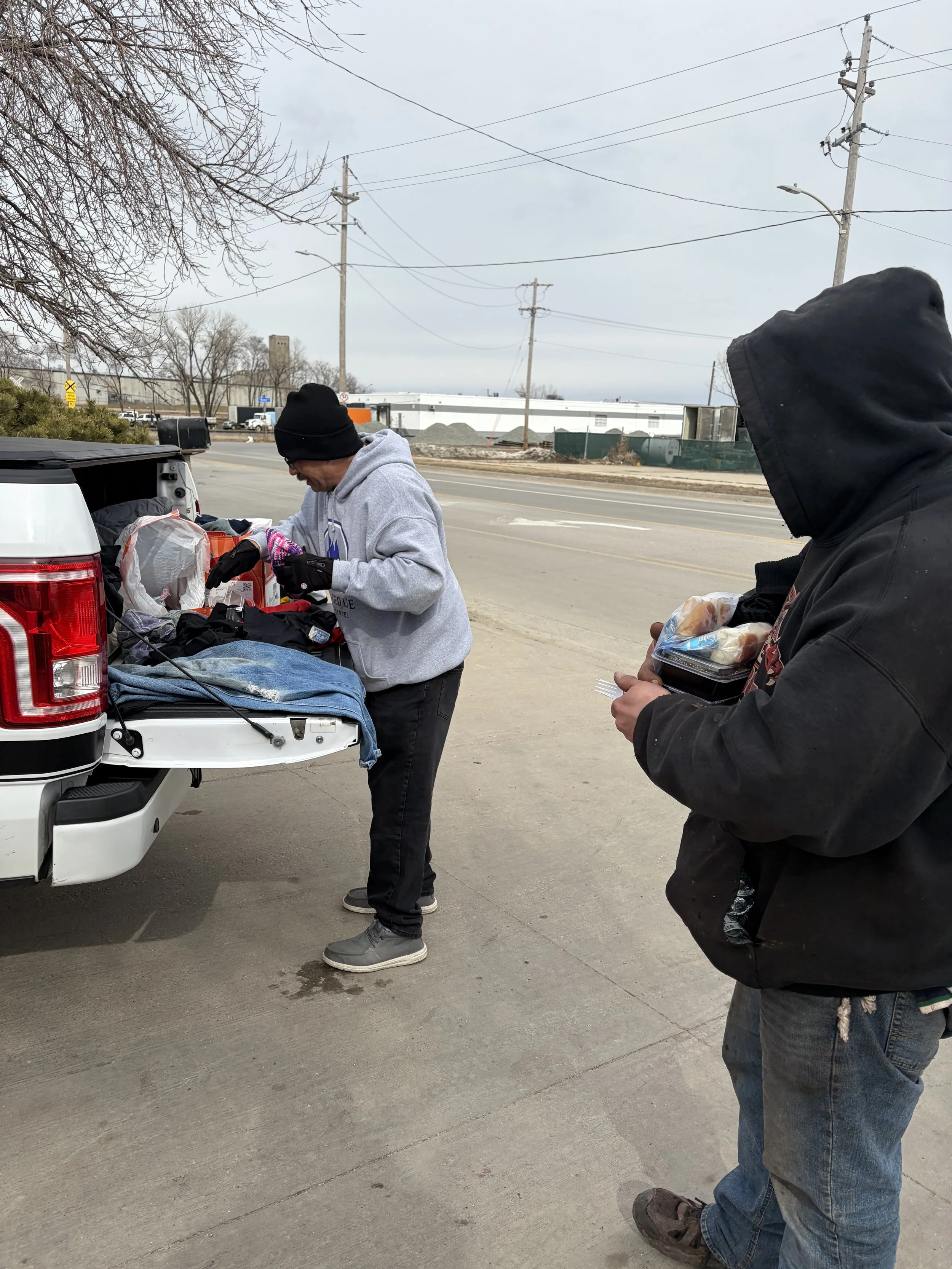
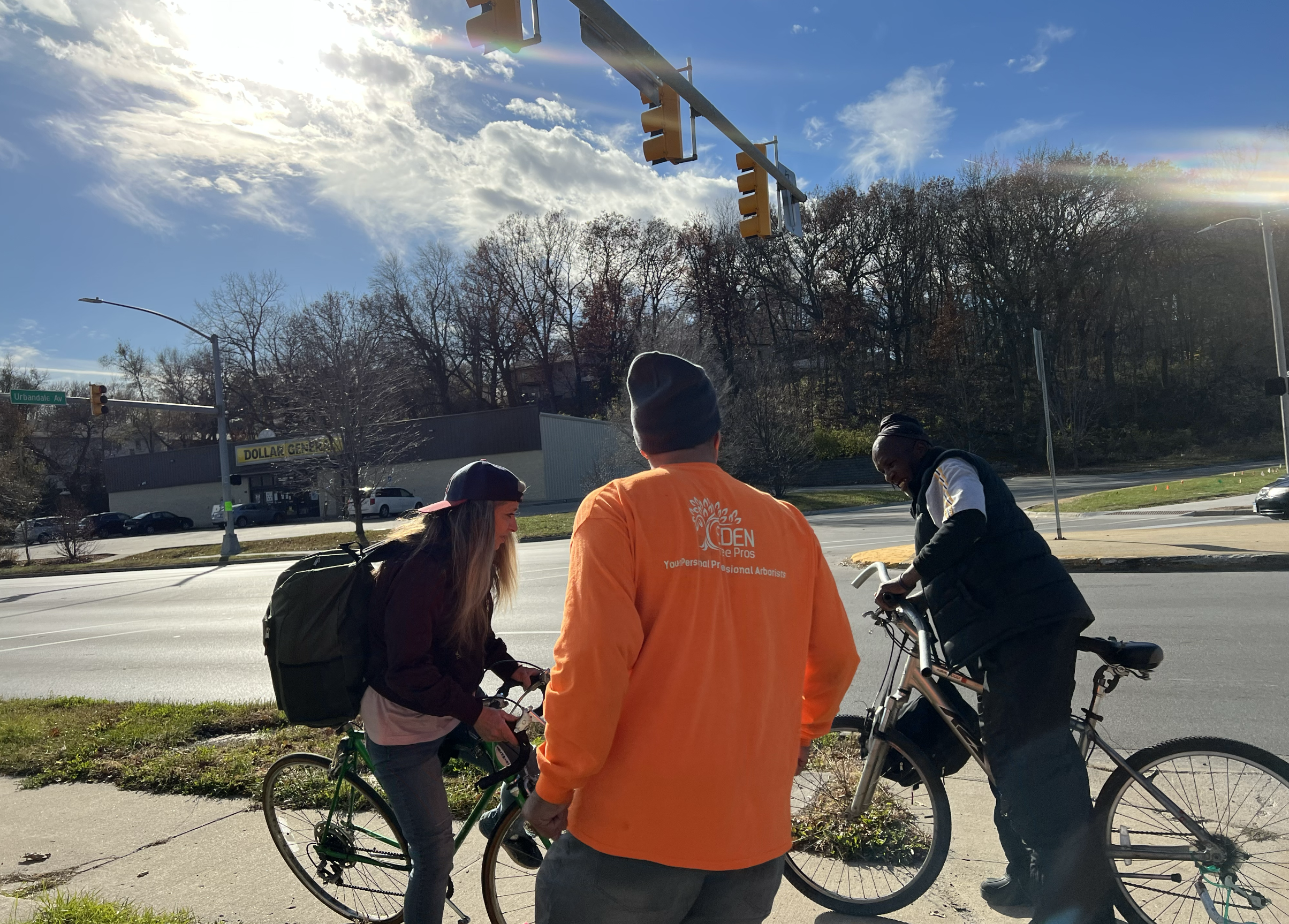
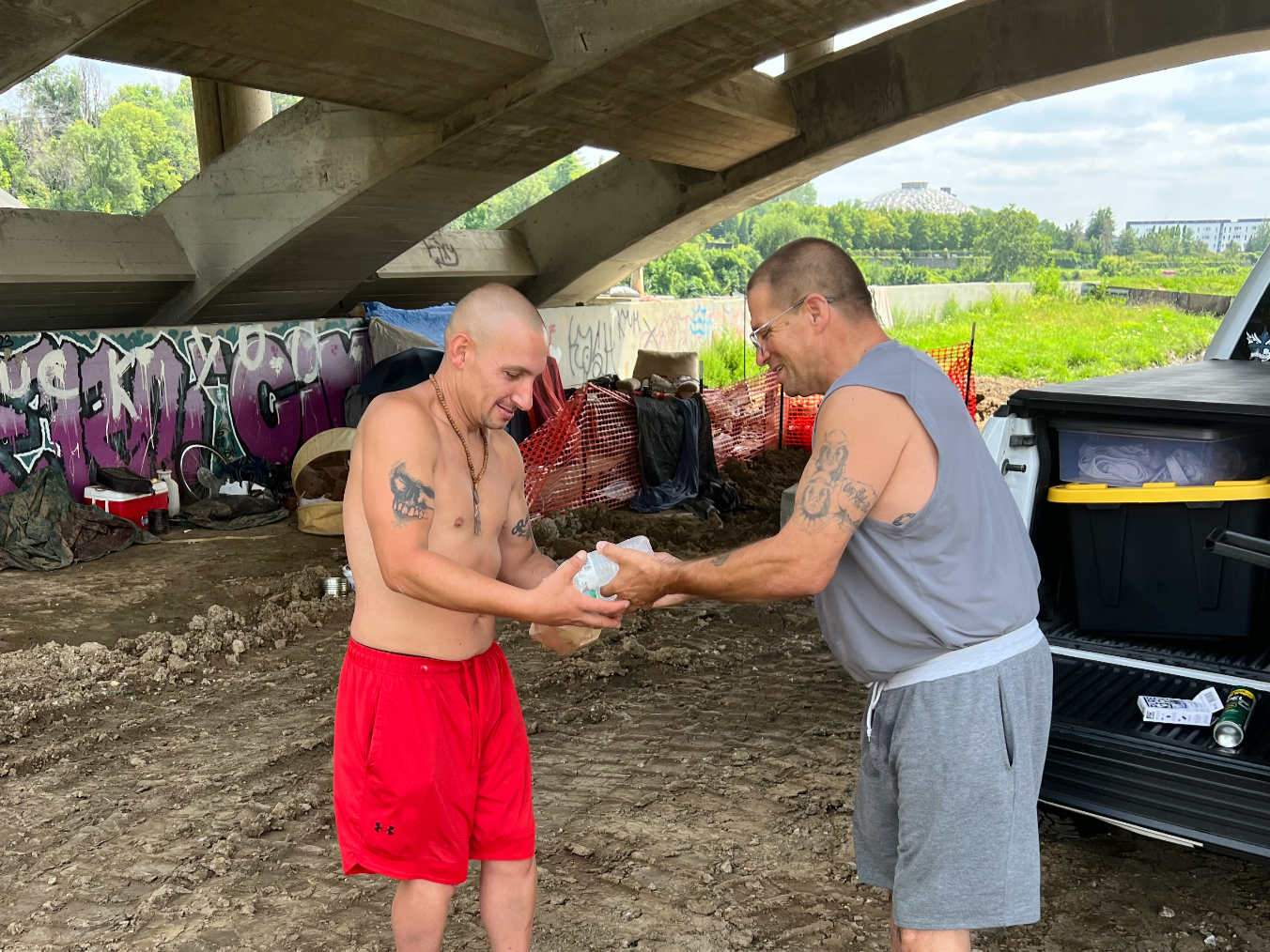
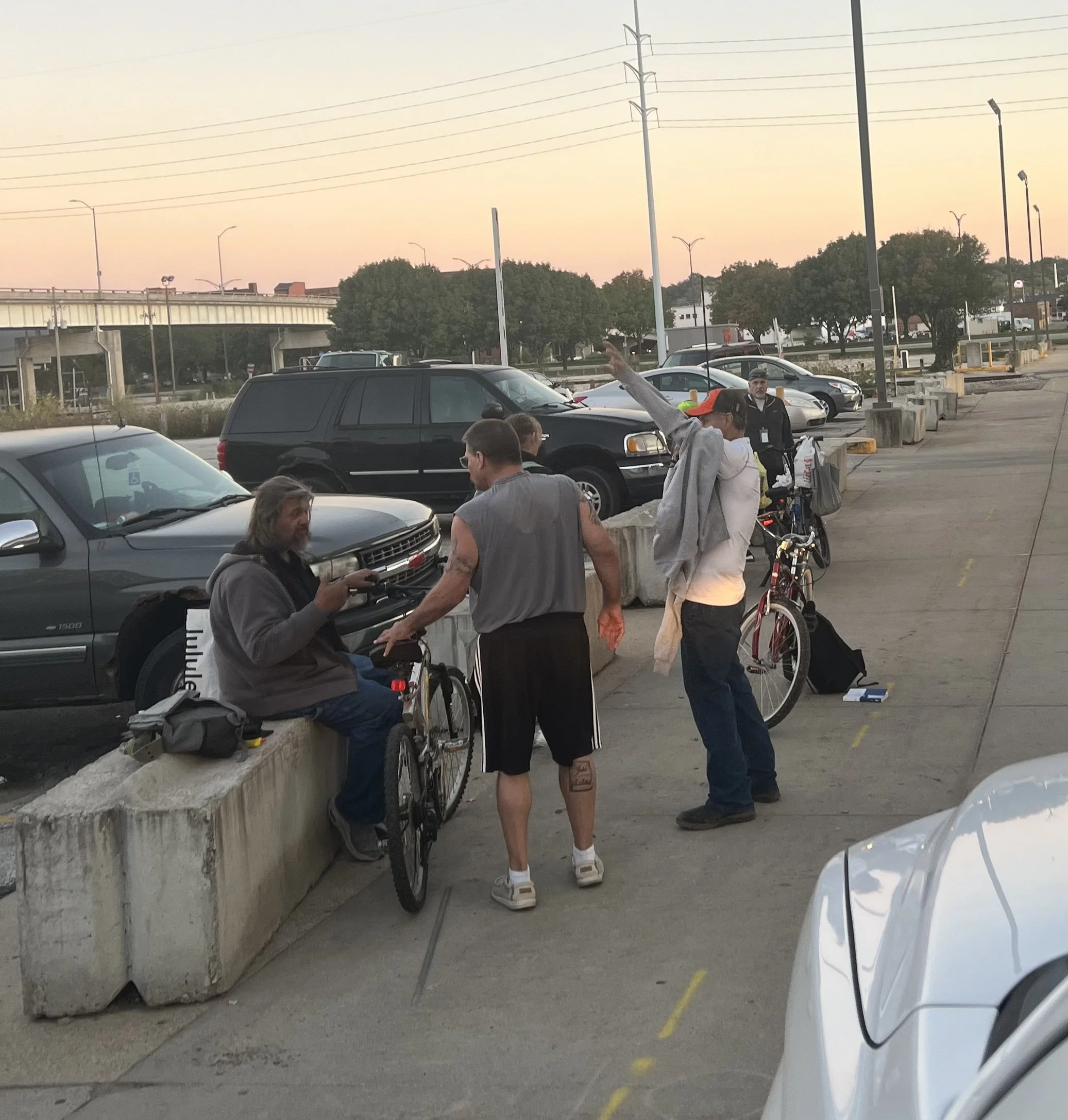
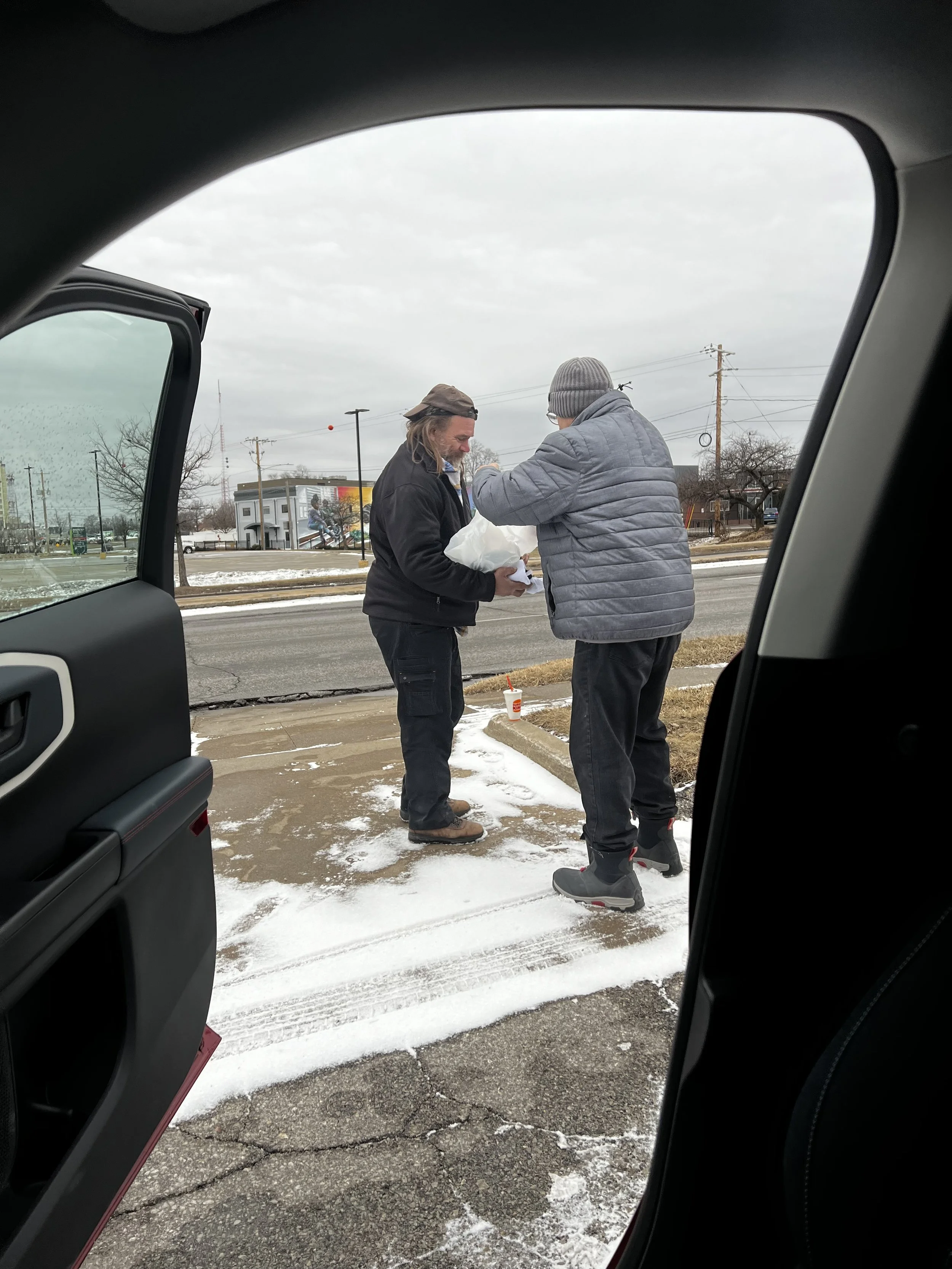
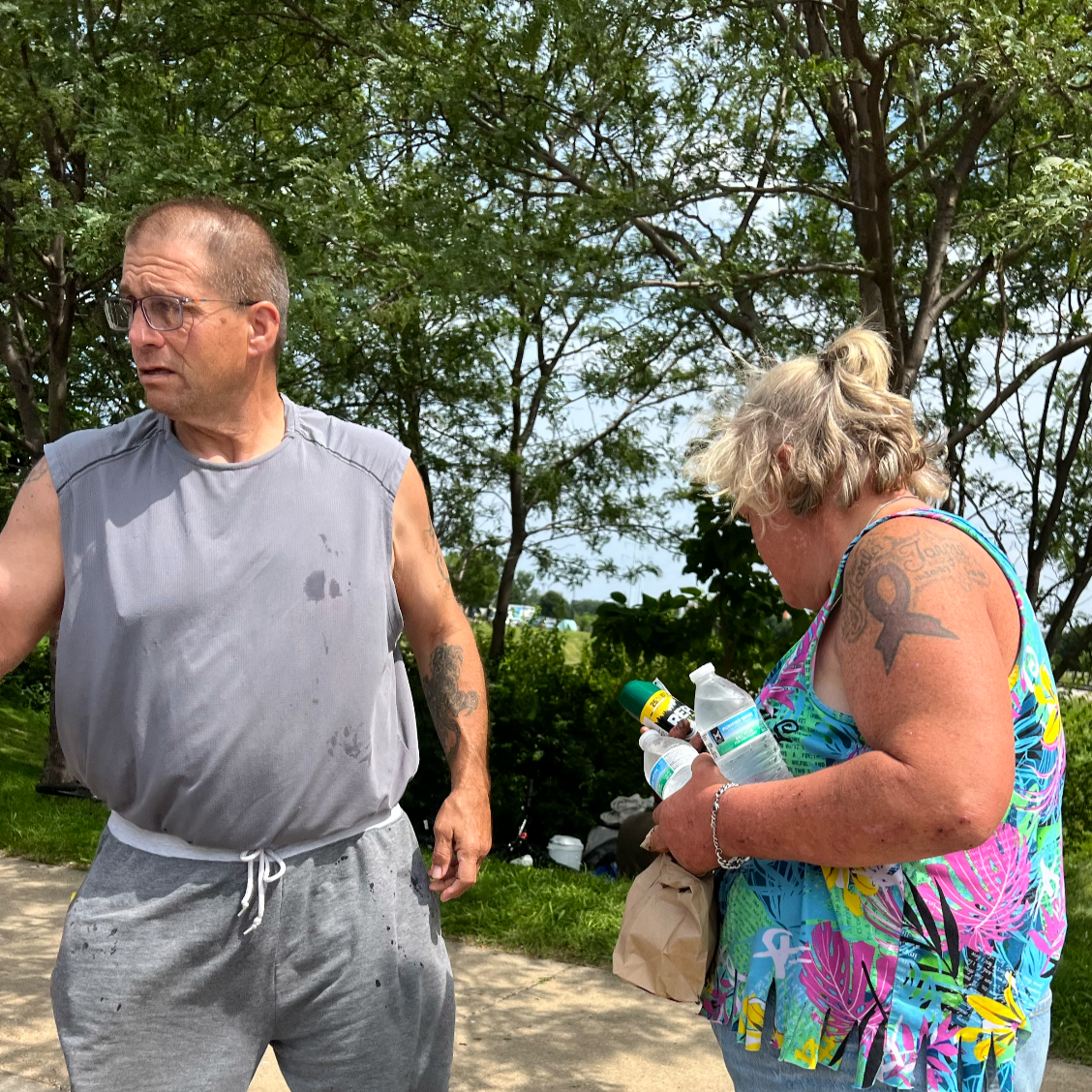
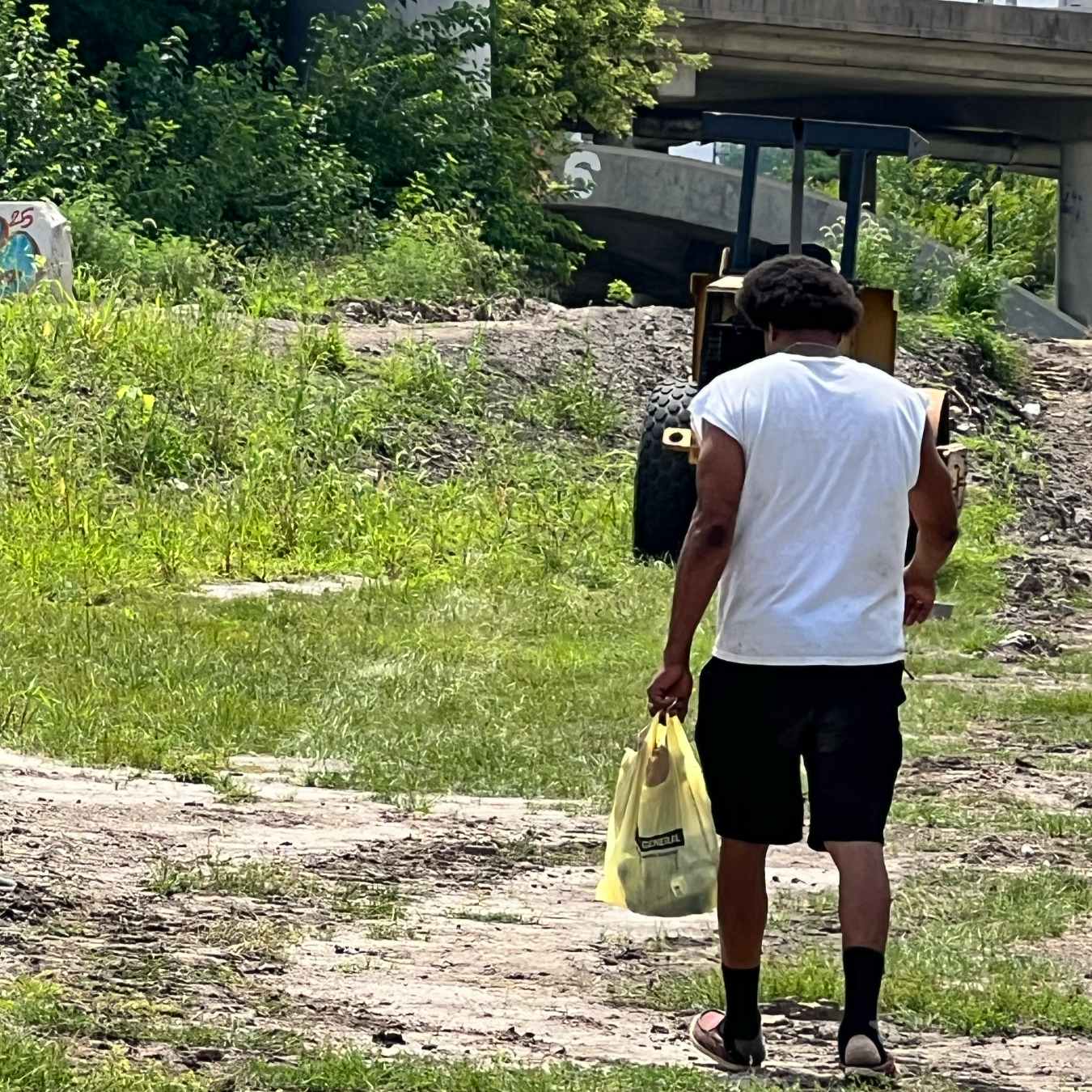
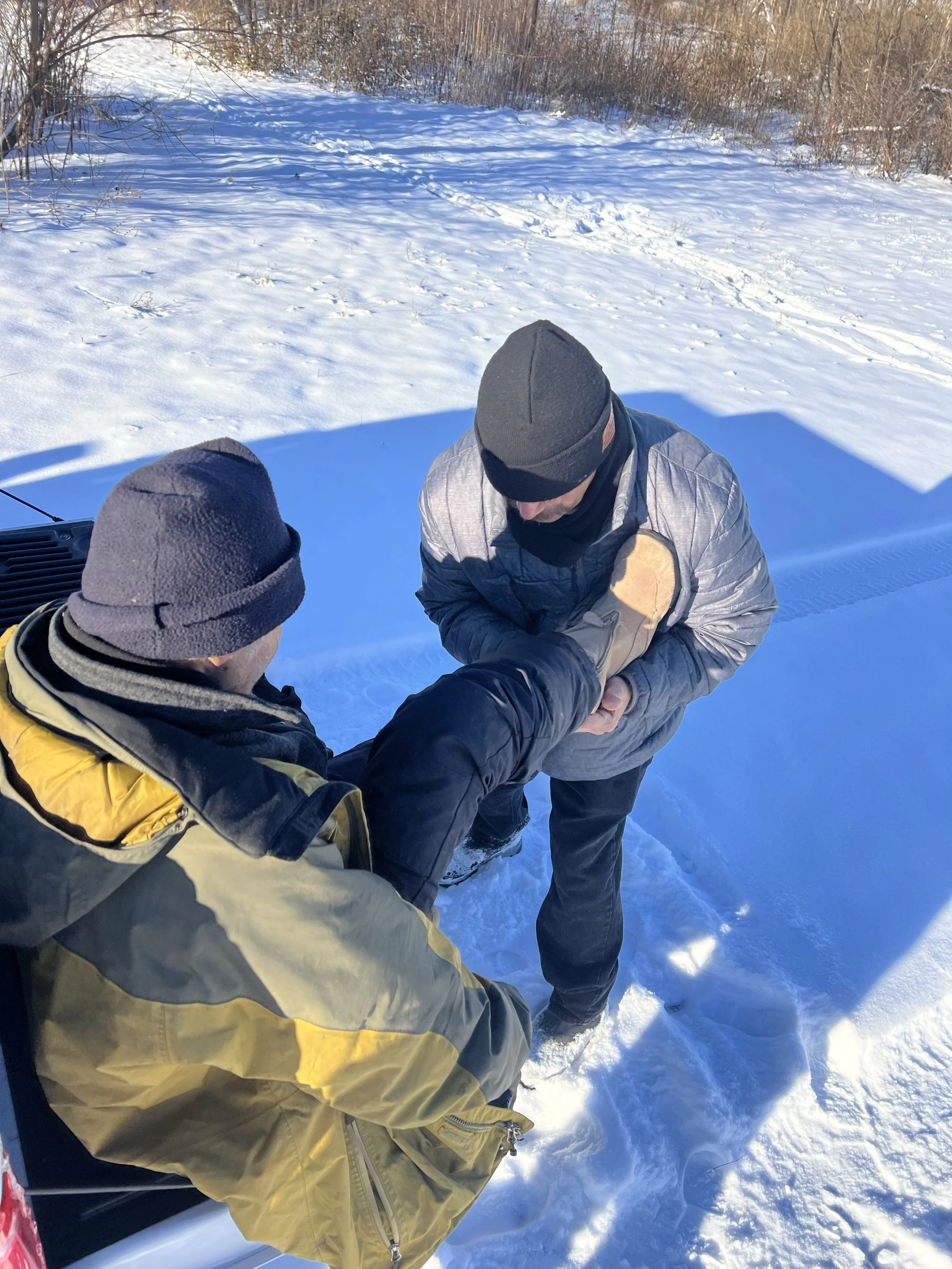
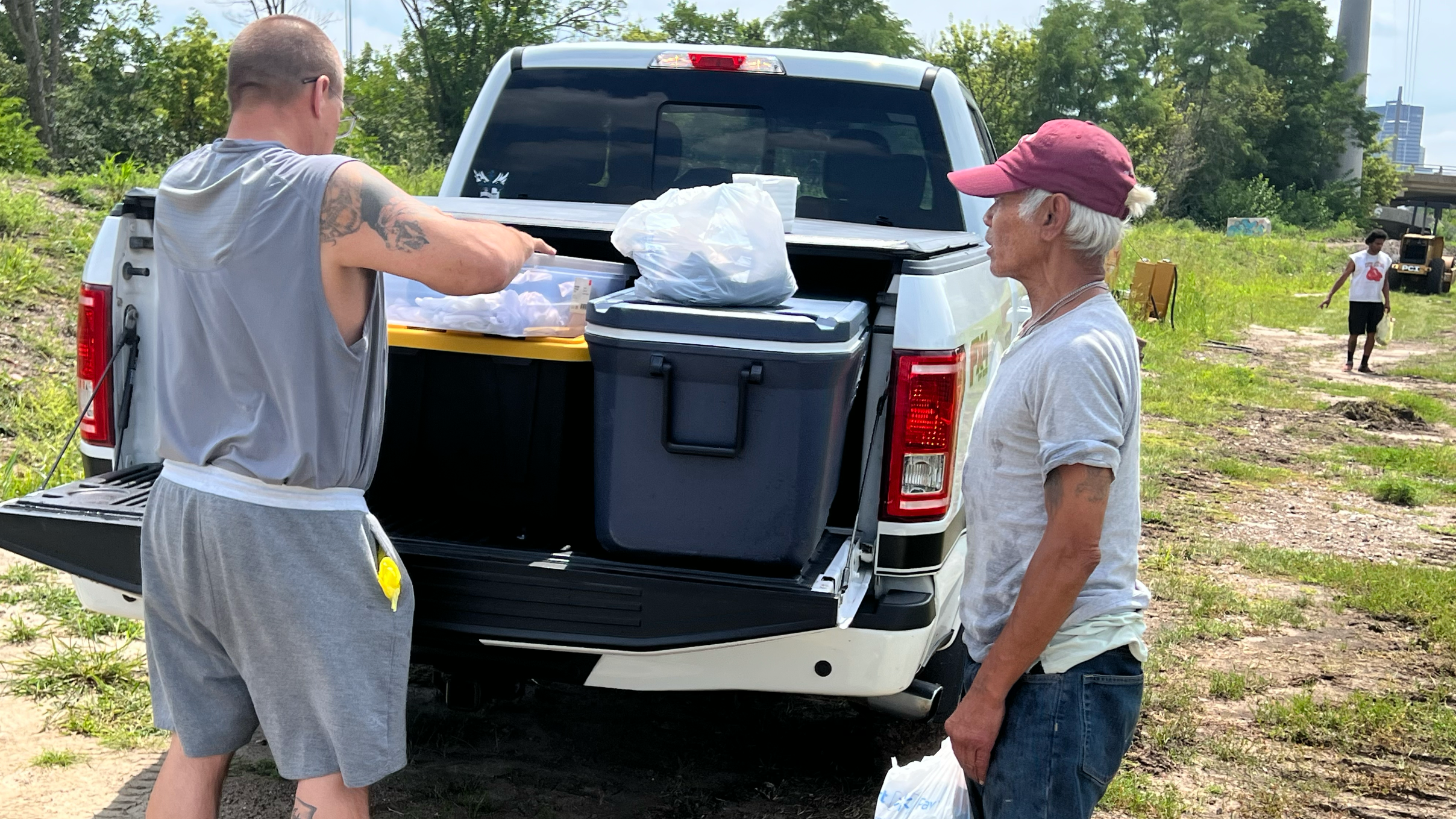
We provide support to the homeless, seniors, and veterans by ensuring they have access to healthy meals and resources.
Through community outreach, we work alongside local partners and volunteers to strengthen our collective impact, helping those in need and fostering a compassionate environment for all.
Together, we can build a future where no one is left behind.
About Us
Hi, we’re Frank and Tina, a husband-and-wife team with a heart for helping others. Originally from California, we made Des Moines, Iowa, our home in 2010. Since then, our lives have been driven by one purpose: to serve people in need—whether they're facing food insecurity, addiction, or just going through a tough season of life.
Both of us have walked through our own struggles in the past. That journey gave us a deep understanding of what it means to feel lost, to feel hungry—physically, emotionally, and spiritually. And it’s also what fuels our compassion and commitment today.
Whether it’s offering a warm meal, a listening ear, or helping someone take the first step toward recovery, our goal is simple: to love people well and remind them they’re not alone. We know what it’s like to feel stuck or overlooked—and we’re committed to showing others that there’s always a path forward.
At Beeline Collective, we believe in meeting people with compassion, without judgment, and offering practical help with dignity and love.
Thank you for visiting! We are glad you are here!
Statistics: Food Insecurity & Homelessness
Food Insecurity in Polk County
Food insecurity occurs when a household cannot access enough food due to a lack of money and other essential resources. It is often linked to one or multiple factors that lead to food insecurity, creating a cycle that can be hard to break. These factors can be related to household income, expenses, access to affordable health care, the surrounding social and physical environment, and barriers to opportunity, which play a role in preventing some households and communities from being food secure.
56,970 people in Polk County struggle with food insecurity. 53% are above the SNAP threshold while 48% are below the threshold of 160%.
Resource: Feeding America
Homelessness in Polk County
In Polk County, during 2024, there were 7,979 people in 5,624 households who experienced extreme housing instability sufficient to cause them to seek services or shelter, including 2,214 children under age 18, 673 youth ages 18 to 24, 3,658 adults ages 25 to 54, and 1,232 senior adults over 55 years old.
Among the people from Polk County who were served by Iowa’s homeless service providers were 1,232 veterans and 4,666 people with a disability of a long duration sufficient to cause the experience of instability. Polk County is home to 22,413 veterans. 1,443 of those people with disabilities are designated as ’chronically homeless,’ meaning that in addition to that disability they have been homeless a year or longer during the past 3 years.
For 741 of the people from Polk County, this was their first experience of instability, their first system entry.
Resource: Institute for Community Alliances
2024–2025 Statewide Trends
Rapid Rise in Unsheltered Population: Iowa saw a 56% increase in its unsheltered population between 2023 and 2024.
Projected Demographics (2025): Approximately 80% of those expected to experience homelessness are single adults, while 20% are households with at least one adult and one child.
Demographic Vulnerabilities: In localized assessments, roughly 43% of homeless individuals reported suffering from mental illness, 35% were victims of domestic violence, and 17% were physically disabled.
Racial Disparities: Black and African American residents are significantly overrepresented, making up roughly 24% of the homeless population in major hubs like Polk County, despite being only 8.9% of the general population.
Resource: Iowa Economic Development Authority
These numbers highlight how food insecurity is not just an issue for the homeless or unemployed, but also affects working families, children, veterans and seniors—groups that are often overlooked in conversations about hunger.
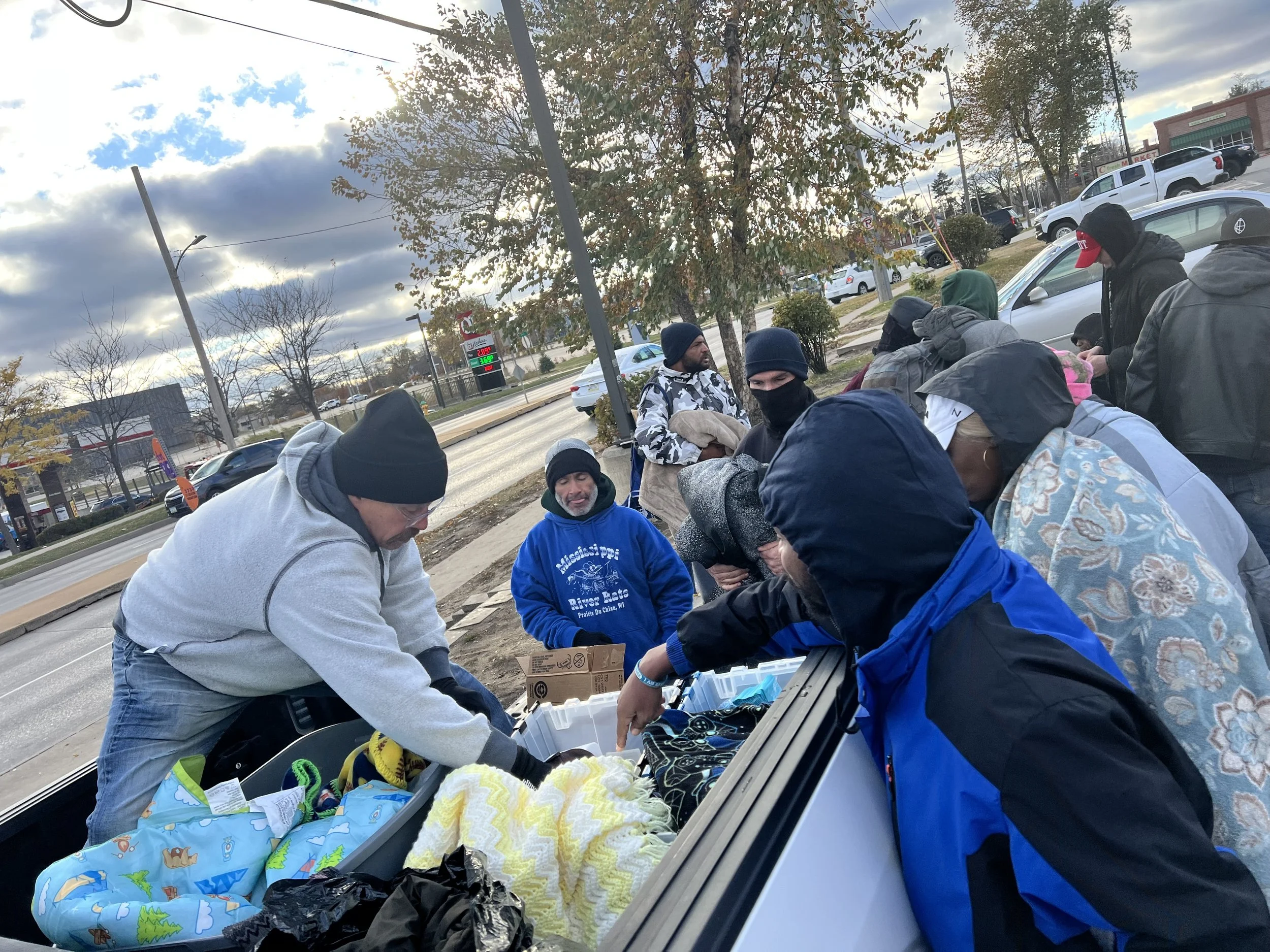
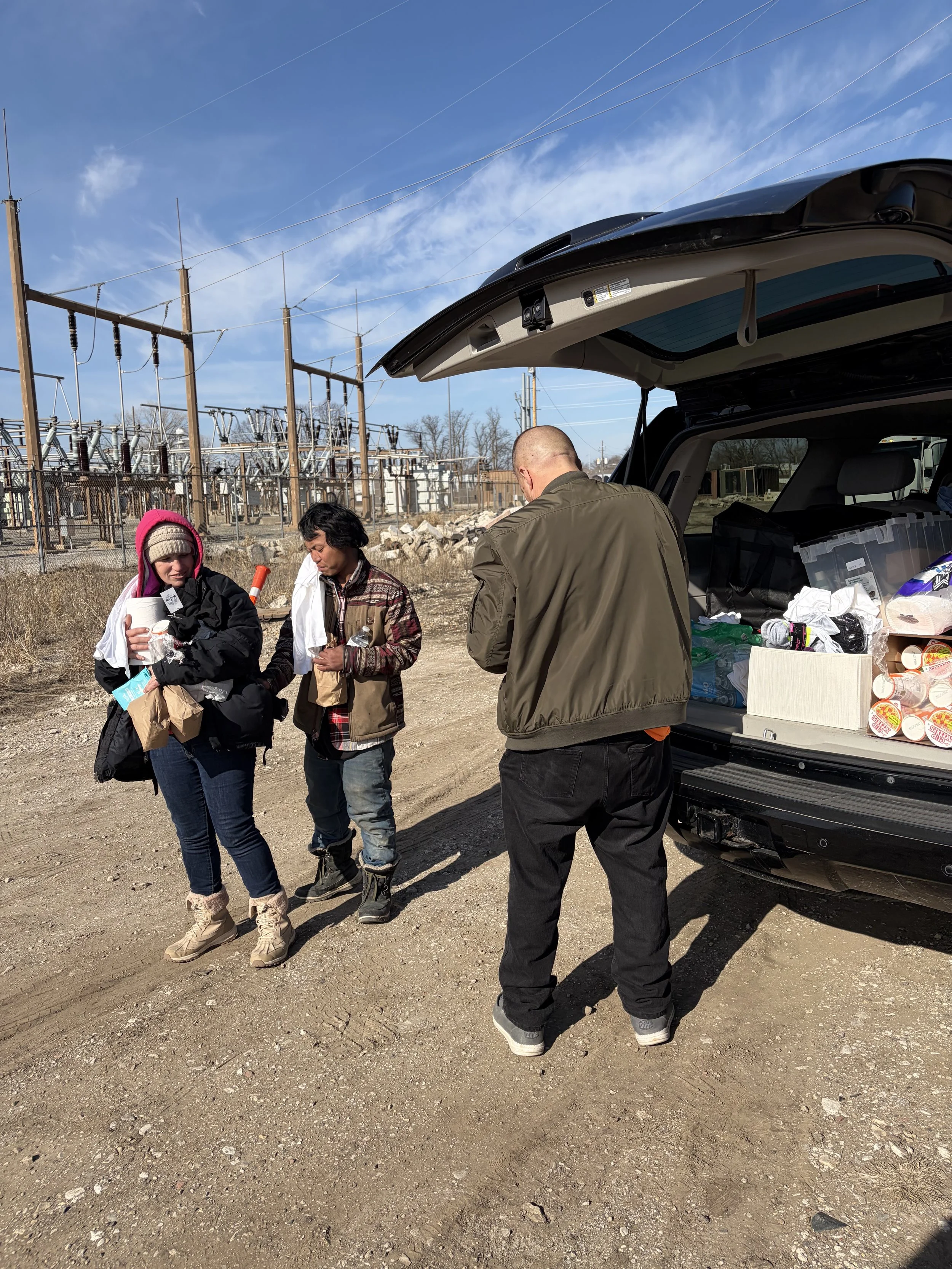
Outreach Gallery
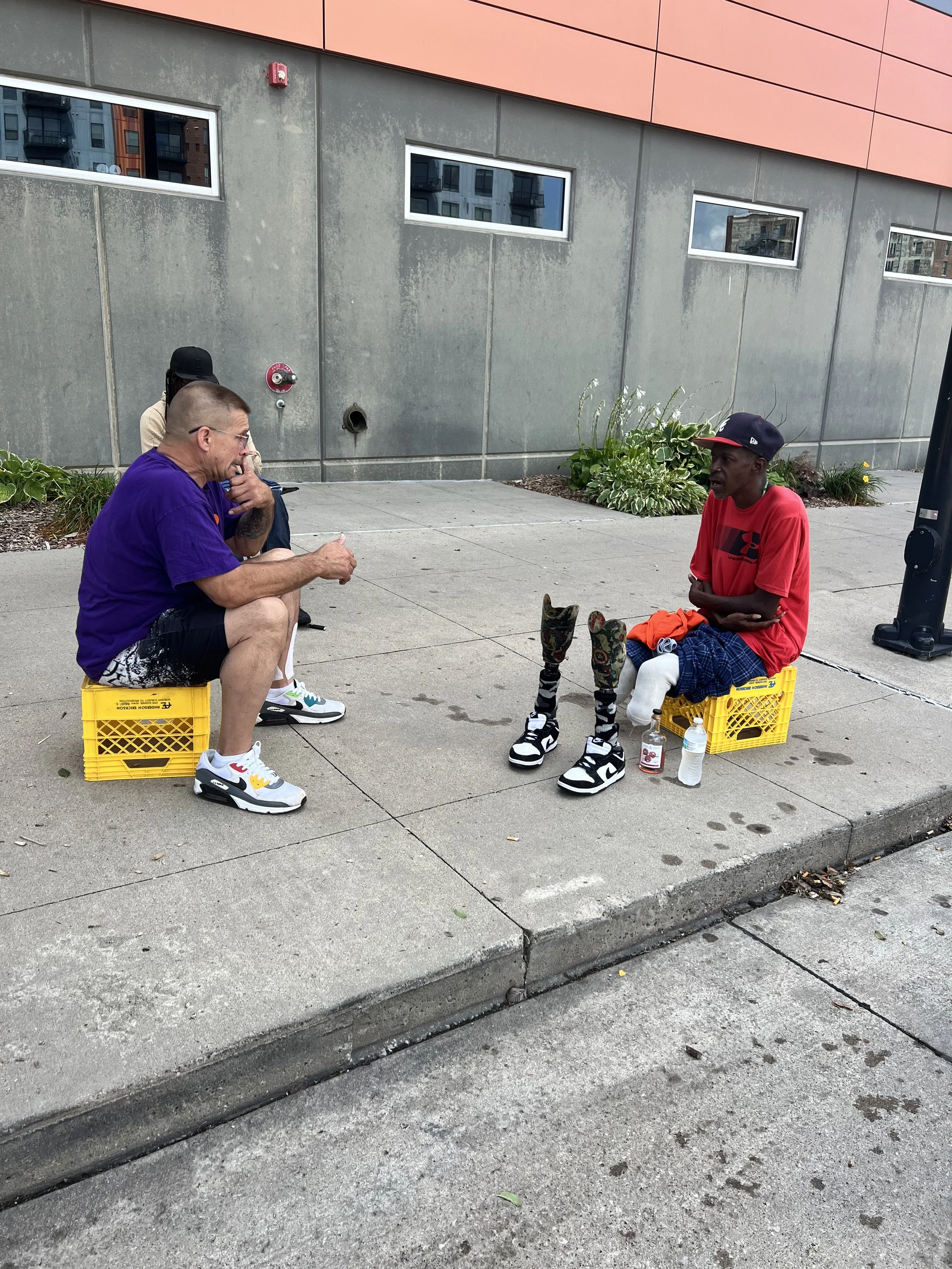
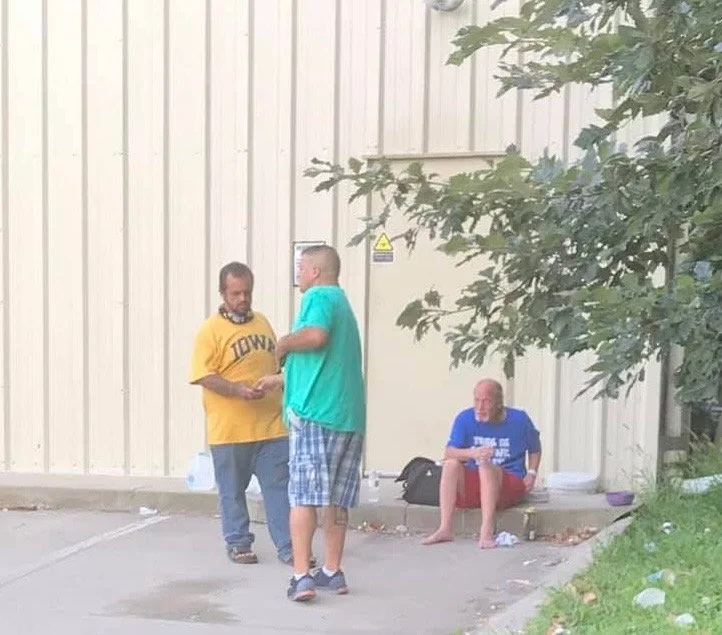
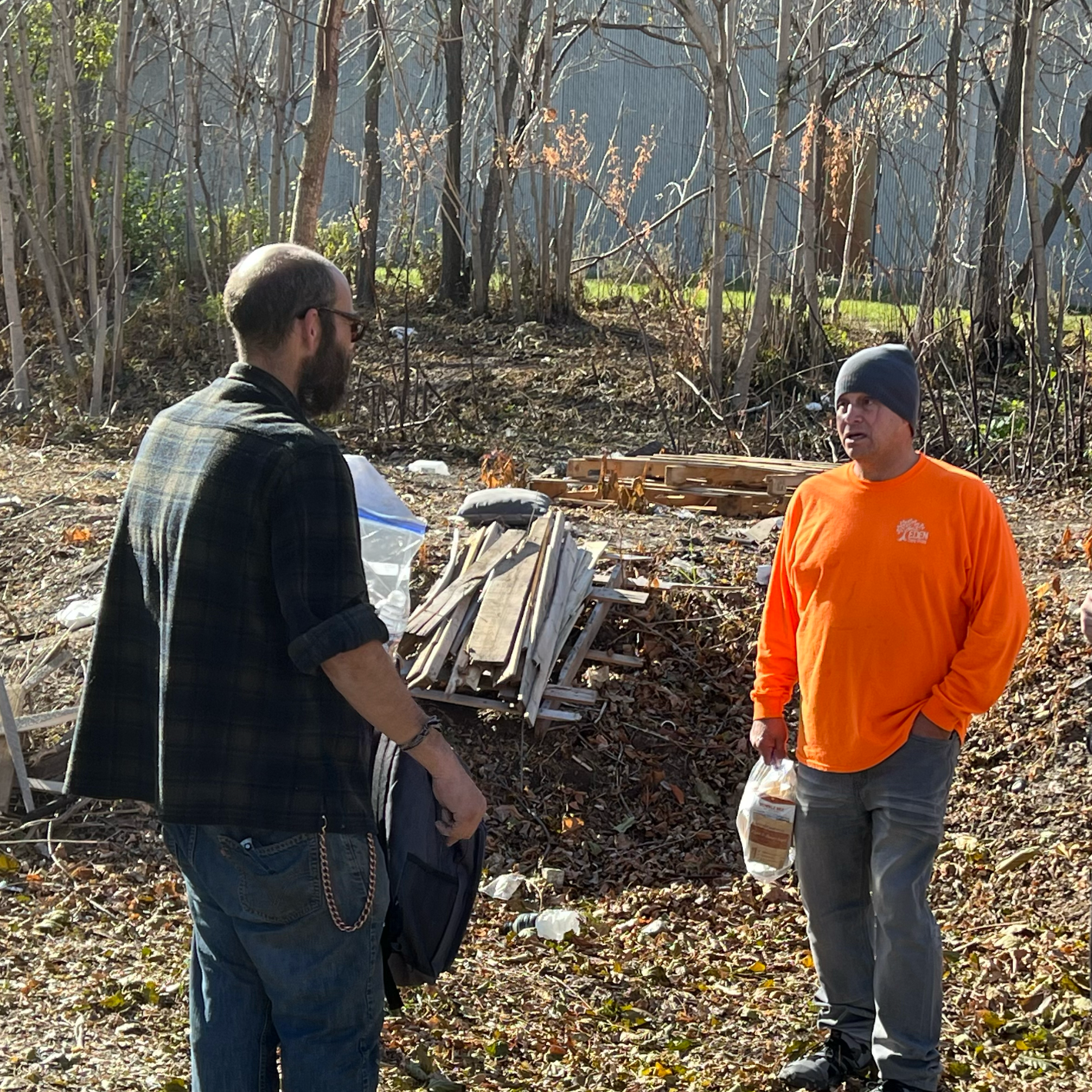
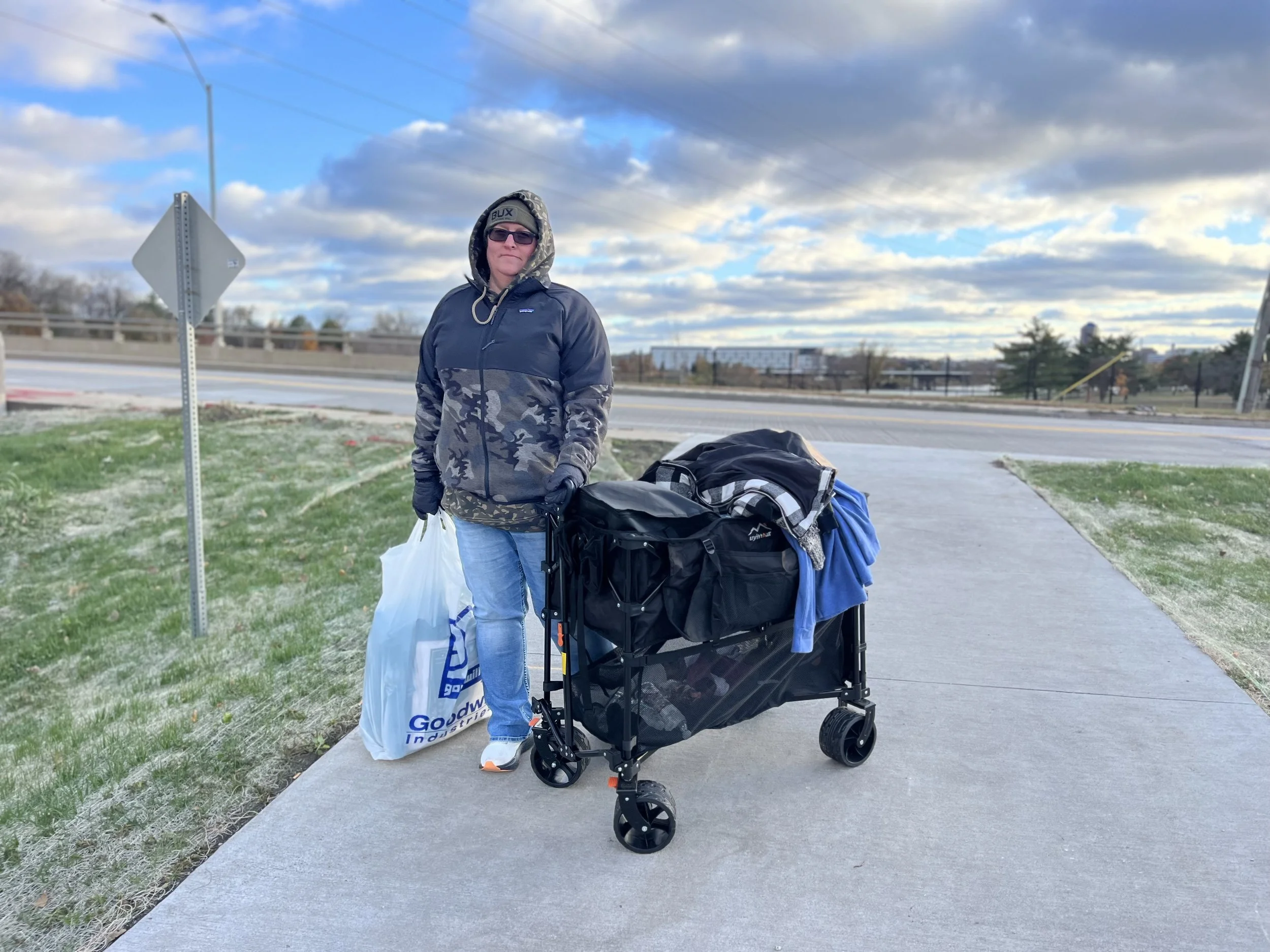

Want to get involved?
Email us about volunteer opportunities
Make a financial contribution
Make a purchase from our Amazon wishlist